
تنظيم
Advancing safer healthcare through science, preparedness and collaboration.
Infection prevention and control remain central to safe care and public-health resilience. This two-day conference brings together clinicians, infection preventionists, researchers, laboratory specialists and policymakers to examine emerging threats, strengthen outbreak readiness and translate innovation into safer practice.
The scientific programme is designed around the realities facing modern healthcare systems: emerging pathogens, antimicrobial resistance, healthcare-associated infections, mass gatherings, accreditation requirements, diagnostic innovation and the rapid expansion of artificial intelligence.
The programme combines global infection-prevention and control priorities with the Kingdom's public-health context, including preparedness for Hajj and Umrah mass gatherings.
To be a leading scientific platform advancing safer healthcare through excellence in infection prevention, preparedness, collaboration and innovation.
To connect healthcare and public-health professionals, researchers, laboratories and policymakers to exchange knowledge, strengthen preparedness, advance innovation and translate evidence into effective infection-prevention practice.
Across two scientific days, with the topics each session explores.
Tuberculosis, Candida auris, MERS-CoV and regional epidemiology.
Sepsis guidance, occupational policy, HIV and hepatitis.
Environmental controls, care beyond hospitals and predictive tools.
Hajj and Umrah protection, pandemic lessons and readiness.
HAI monitoring, diagnostics and antimicrobial-resistance strategy.
Regulatory readiness, CBAHI standards and CBIC updates.
Cutting-edge insights from regional and international experts, and a network of professionals shaping the future of infection control.
Stronger surveillance competency for CAUTI, VAE and multidrug-resistant organisms.
Updated knowledge of emerging infections and Candida auris containment.
Improved adoption of rapid and next-generation diagnostics.
More structured institutional outbreak-response mechanisms.
Better alignment with CBAHI and CBIC-related expectations.
A practical framework for AI-enabled risk assessment.
More robust infection-prevention strategies for mass gatherings.
Stronger collaboration across clinical, laboratory and public-health disciplines.
The programme is written for the people who carry infection prevention in hospitals, laboratories and public-health bodies.
IPC practitioners, coordinators and department heads.
Clinicians and registered nurses across acute and long-term care.
Specialists working on surveillance, outbreaks and mass gatherings.
Laboratory scientists and diagnostics professionals.
Healthcare quality leaders preparing for CBAHI and CBIC standards.
Teams applying analytics and AI to surveillance and risk.
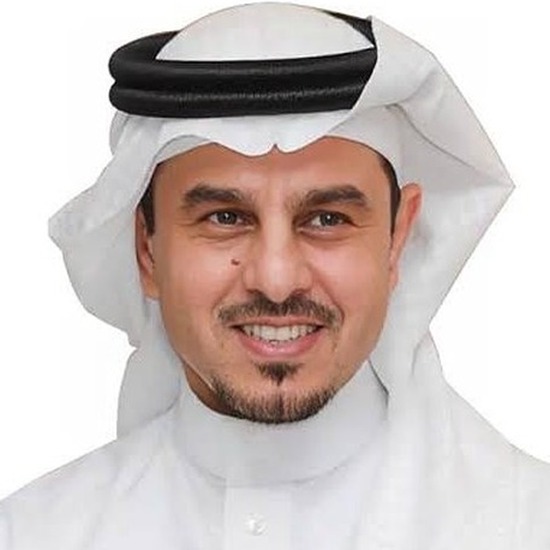
It gives me great pleasure to welcome you to Riyadh for the Global Infection & Prevention Control Conference 2026, hosted by King Saud Medical City.
A health system is only as safe as its least protected ward. Across Riyadh First Health Cluster, our hospitals, specialist centres and primary care facilities serve the same community, share the same patients and face the same threats. Infection prevention is therefore not a departmental concern for us. It is a system capability, built on common standards, shared surveillance and people who learn together.
That is what this conference is for. Over two days, national and international experts will examine emerging pathogens, antimicrobial resistance, outbreak preparedness, mass gatherings and the responsible use of new technology, and turn that evidence into practice our teams can adopt.
I thank King Saud Medical City for hosting GIPCC 2026, our partners for their support, and every speaker and attendee for joining us. The health sector transformation under Vision 2030 asks us to build care that is safer, more integrated and closer to the patient. Gatherings like this one are how we get there.
I look forward to welcoming you to Riyadh.
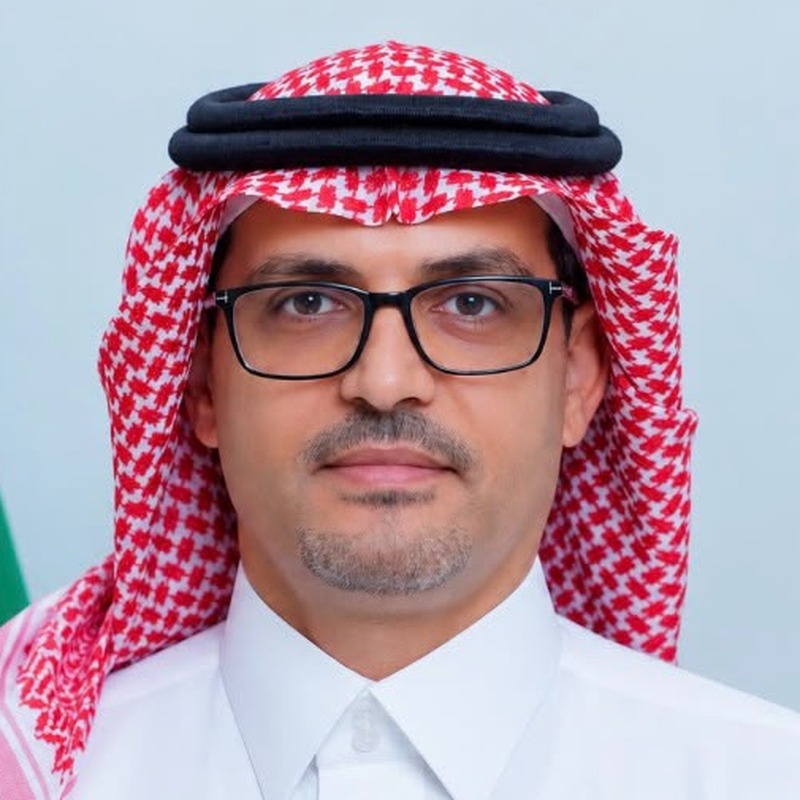
On behalf of King Saud Medical City, I welcome you to the Global Infection & Prevention Control Conference 2026, taking place in Riyadh on 25 and 26 November.
Infection prevention and control is fundamental to the commitments hospitals make to their patients. Every safe procedure, clinician protection, and prevention of outbreaks relies on it. However, the landscape is continually evolving. Emerging pathogens, antimicrobial resistance, the challenges posed by mass gatherings, and the introduction of artificial intelligence in surveillance and diagnostics require more from us than in the past.
This conference has been organized to address these issues. Over two days and with six scientific themes, clinicians, public health professionals, laboratory specialists, quality leaders, and policymakers will share evidence, review successful strategies, and analyze less effective approaches. Our goal is straightforward: to ensure every participant leaves with applicable insights for their respective environments.
As one of the Kingdom’s largest tertiary hospitals and a part of the Riyadh First Health Cluster, King Saud Medical City is honored to host this event. This initiative underscores our dedication to enhancing safety in healthcare, fostering preparedness, and supporting the health sector transformation goals outlined in Vision 2030.
I look forward to your participation and appreciate the contributions of every speaker, partner, and participant involved in making GIPCC 2026 a reality.
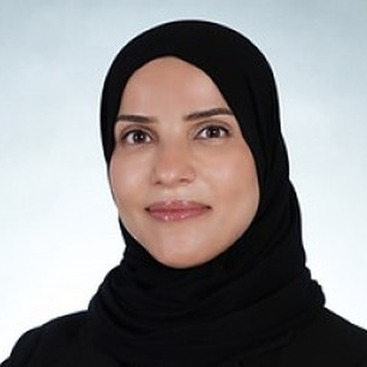
Welcome to GIPCC 2026, from the team that lives infection prevention every day.
Those of us who work in infection prevention and control know that our best results are invisible. The outbreak contained before it spread, the resistant organism that never reached the ward, the surgical patient who went home without a complication. That work depends on evidence, on discipline and, above all, on colleagues who share what they have learned.
We have built this programme with that in mind. Across six themes and two days you will find the science, from emerging infectious diseases to surveillance and diagnostics, and you will find the practice: how teams have responded when an outbreak threatened, how they approached accreditation, and where artificial intelligence has helped and where it has not yet. The Meet the Experts and panel sessions are deliberately open. Bring your questions, and bring your own experience.
On behalf of the scientific committee and the Infection Prevention and Control team at King Saud Medical City, I look forward to learning alongside you in Riyadh.
The team at King Saud Medical City behind GIPCC 2026.
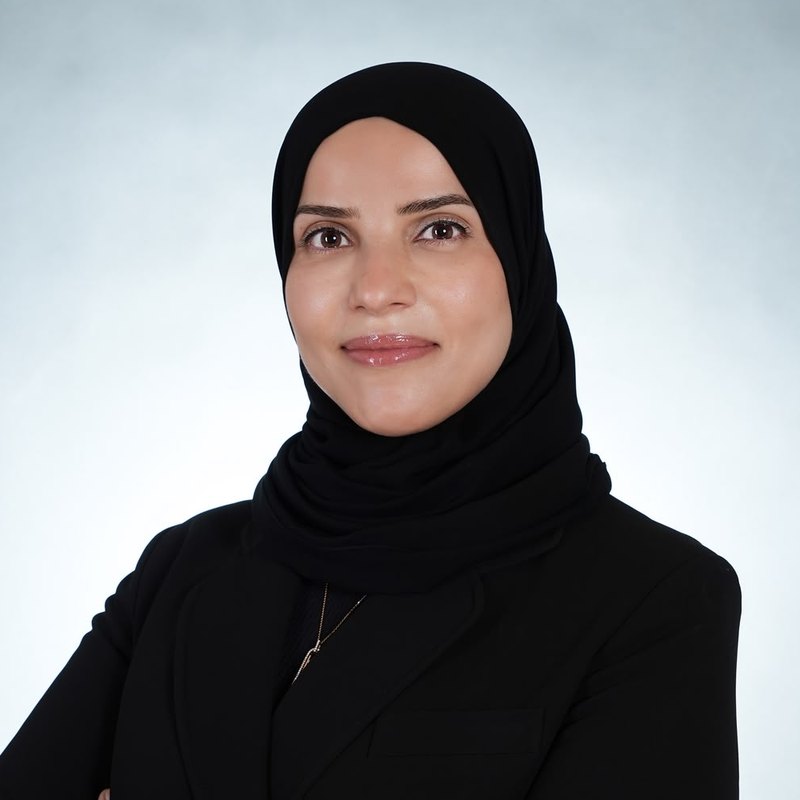 Organising committee
 Organising committee
 Organising committee
 Organising committee
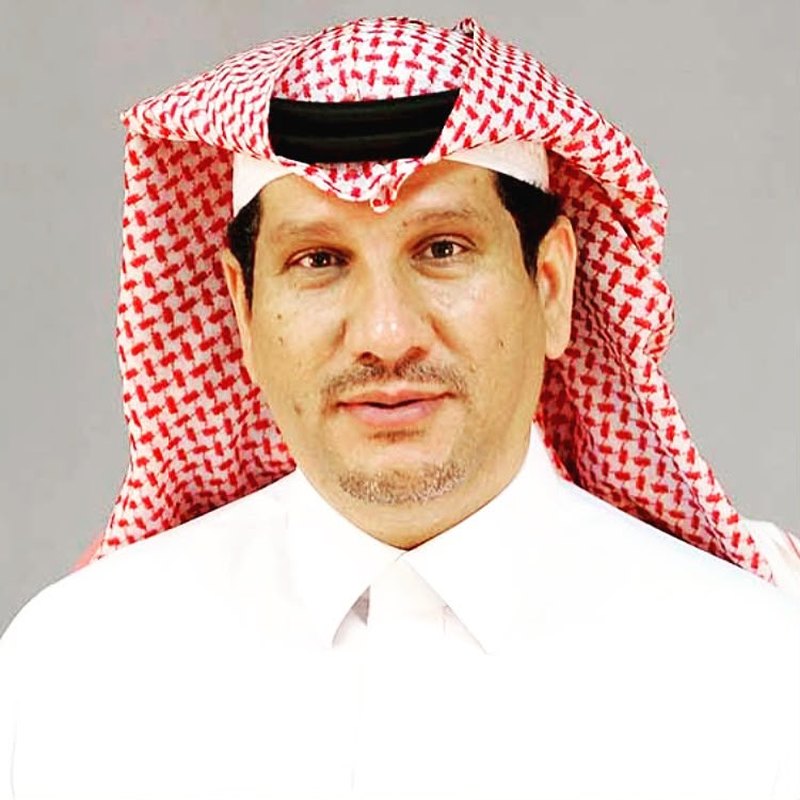 Organising committee
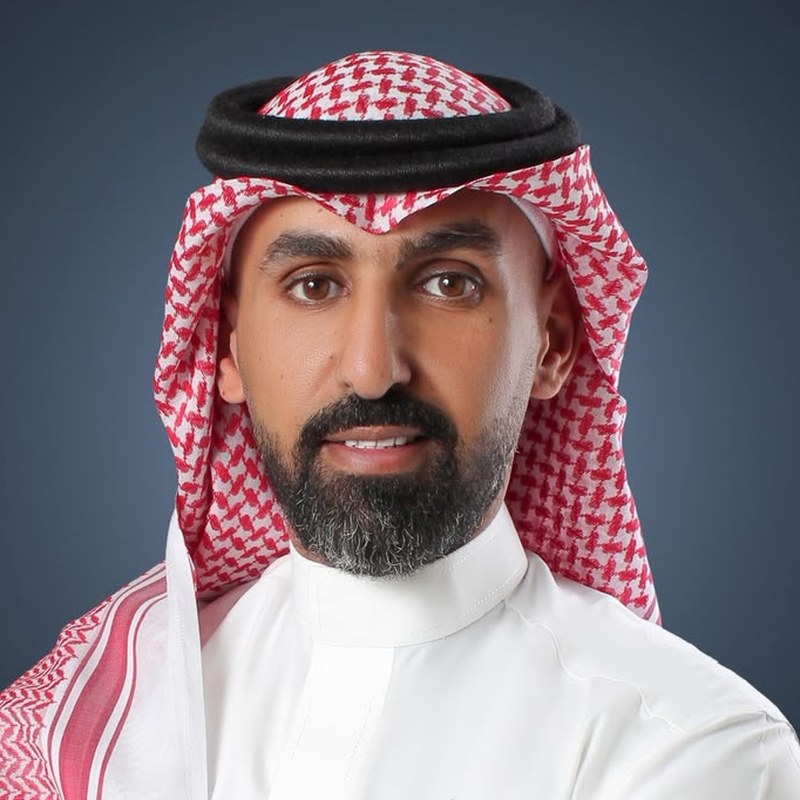 Organising committee
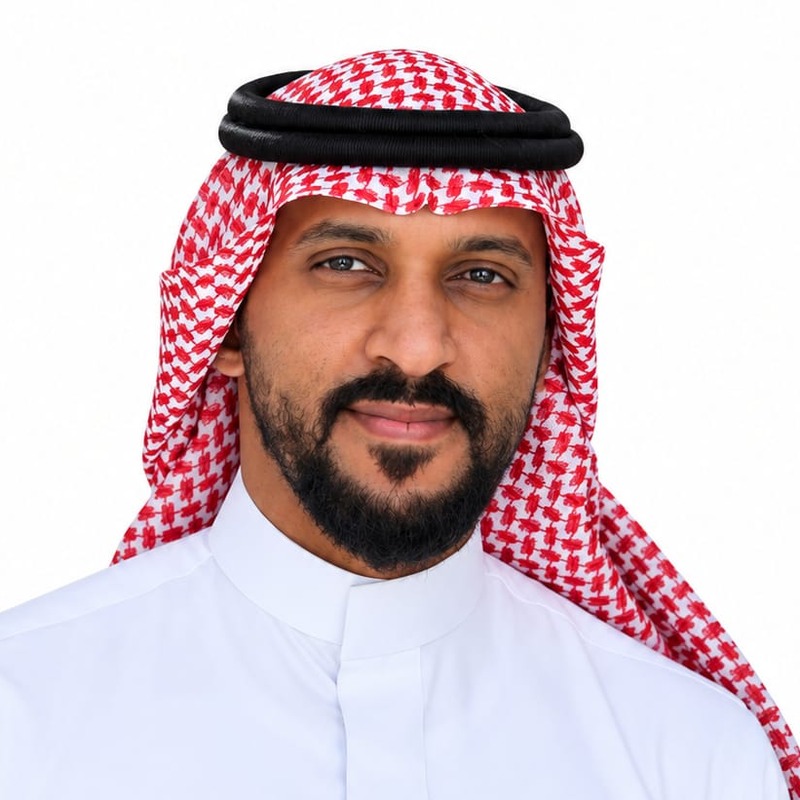 Organising committee